Home › Masonry Restoration and Historic Preservation
We provide historic masonry restoration in Lincoln, NE, carefully repairing and preserving older brick and stone structures. Our team matches materials and techniques so restored facades keep their original character while gaining new durability.
Superior Masonry Lincoln provides professional historic masonry restoration throughout Lincoln, NE, Nebraska and the surrounding area. Our licensed, insured crew delivers safe, clean, on-time work with a free estimate before anything begins. Call (402) 413-7465 or request your free quote.
Respecting Lincoln’s Brick History With Careful Restoration
Lincoln has a huge variety of brick and stone buildings, from early 1900s bungalows and farmhouses to mid‑century storefronts and campus buildings. At Superior Masonry Lincoln, our masonry restoration and historic preservation work starts with understanding what your building was originally made from and how it has aged in the Nebraska climate.
Instead of jumping straight to grinding out joints or replacing bricks, we first walk the entire structure with you. We look for hairline cracks along window heads, bulging walls, stair‑step cracks in foundations, spalled or flaking brick faces, loose limestone sills, and areas that have been patched in the past with the wrong materials. Older Lincoln homes, especially in neighborhoods like Near South or Havelock, often have soft fired brick that cannot be treated the same way as newer, harder brick.
During this initial evaluation we also check for trapped moisture, damaged or missing flashing, deteriorated chimney caps, and signs of salt damage from de‑icing materials. All of this helps us determine whether your historic masonry needs targeted repair, full repointing, or a combination of brick replacement, crack stitching, and waterproofing. You will get a clear explanation in everyday language, not just a list of technical terms, so you can see exactly what your building needs and why.
How Our Historic Masonry Restoration Process Works
True historic masonry restoration is more than just “re‑mortaring.” Superior Masonry Lincoln follows a step‑by‑step process designed for older brick and stone so we stabilize the structure without erasing its character.
1. Documentation and sample panel: Before starting, we photograph key areas, note existing mortar color and joint profile, and sometimes create a small test panel on an inconspicuous section. This lets you see the proposed mortar match and joint style in place before we touch the rest of the wall.
2. Mortar analysis and matching: With historic masonry, the wrong mortar mix can destroy brick over time. Many older Lincoln structures were built with lime‑rich, softer mortar. If you repoint with hard modern Portland cement, the mortar becomes stronger than the brick, which leads to cracking and spalling. We visually assess the existing mortar, and when needed we conduct a simple field test of hardness and composition. Then we blend a compatible lime or lime‑cement mortar, tinting the sand and binder so the color and texture match the original.
3. Careful raking of joints: Instead of aggressive grinders that can damage brick edges, we typically remove deteriorated mortar by hand tools or low‑vibration methods. Our goal is to clean out enough depth for a strong bond, usually two to two and a half times the joint width, while preserving as much original material as is still sound.
4. Brick and stone repair or replacement: Any bricks that have lost their face, cracked through, or turned into soft powder are carefully removed and replaced. For Lincoln projects, we often source salvaged brick from regional yards or custom order brick with similar size and texture. On stone buildings or trim, we perform dutchman repairs (inserting a new piece of stone into the damaged section), pin loose elements, and epoxy inject fine cracks where appropriate.
5. Repointing and final tooling: Fresh mortar is packed tightly into the cleaned joints and then tooled to match the original profile, whether it is concave, flush, struck, or weathered. Matching that profile is important because it changes how water sheds off the wall. After curing, we wash the wall gently to remove mortar haze without etching the brick.
6. Protective measures and clean site: If the building needs breathable water repellents or new metal flashing, we install those at this stage. Throughout the work we protect windows, landscaping, and neighboring property, then leave the site tidy at the end of each day so you are not living in a construction zone longer than necessary.
Special Focus on Chimneys, Foundations, and Historic Facades
Historic masonry restoration in Lincoln often centers on a few problem areas: chimneys, foundations, and street‑facing facades. Each one has its own issues in our freeze‑thaw climate and needs a slightly different approach.
Chimneys: Many older chimneys in Lincoln were built without modern liners and have mortar that has deteriorated from decades of heat and moisture. We inspect for loose crowns, missing bricks at the top, leaning stacks, and gaps around flue tiles. Our restoration may include rebuilding the top courses, forming a new concrete or stone crown with proper drip edges, repointing the full height, and coordinating with chimney professionals if a liner is needed. When visible from the street, we pay close attention to matching the bond pattern so the rebuilt portion does not look “patched on.”
Foundations and retaining walls: Brick and stone foundations in Lincoln’s older districts are often affected by clay soils and poor drainage. We look for inward bowing, step cracks, and mortar erosion near grade where splashback occurs. Solutions range from tuckpointing and crack stitching, to partial rebuilding of failed sections, to adding weep holes or drainage improvements. We always explain whether your issue is cosmetic or structural so you can prioritize work correctly.
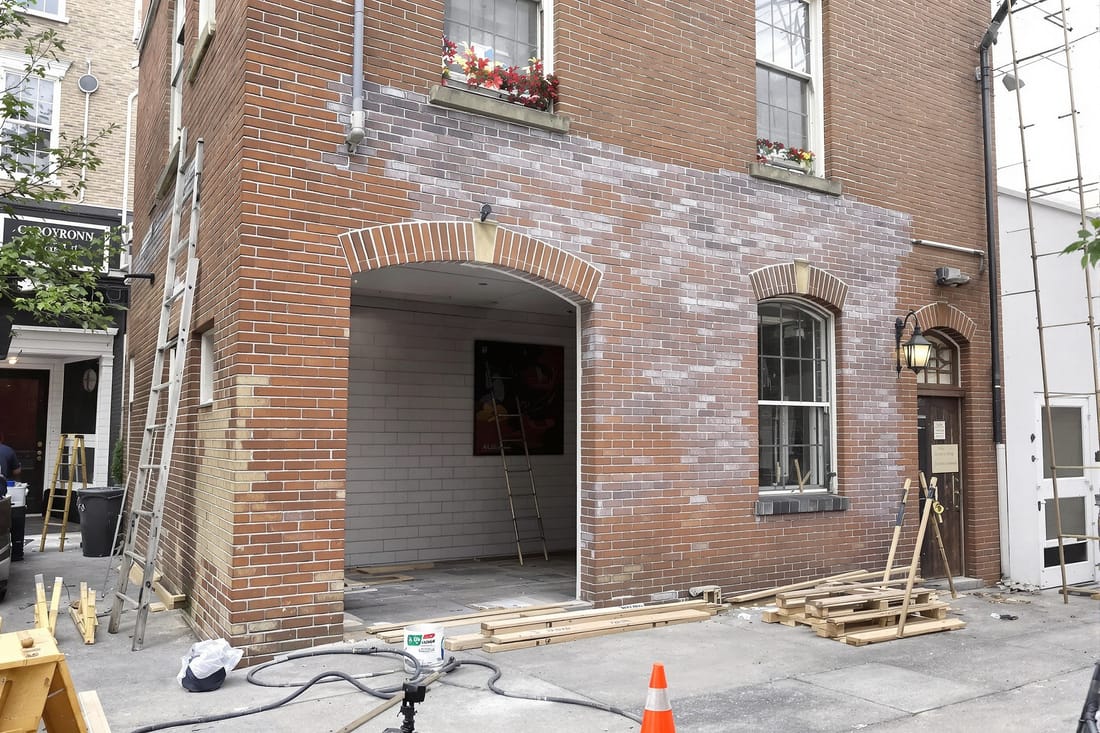
Storefronts and facades: On historic commercial buildings downtown or in older neighborhood business districts, the front facade is the “face” of the property and the most sensitive part to alter. Superior Masonry Lincoln can restore decorative brickwork, arches, and stone trim, and remove non‑historic infill or patch materials that were added over the years. Where signage or windows have changed, we can infill brick in a way that blends with the original layout so the building looks coherent instead of pieced together.
We are also familiar with coordinating with local historic commissions when approvals are required, providing photos and scope descriptions that review boards understand. This can reduce delays and help you avoid redoing work that was not approved.
What Affects Cost and Timeline for Historic Masonry Restoration in Lincoln
Every historic masonry restoration project is unique, but there are predictable factors in Lincoln that affect price, scheduling, and how long the work will last.
Accessibility and height: A two‑story brick home in a residential neighborhood is typically easier and less costly to set up compared to a tall downtown building with limited sidewalk access. If we need full scaffolding, street permits, or protective tunnels over sidewalks, those items add to the project cost and planning time.
Extent of deterioration: Light mortar erosion with mostly sound brick is a straightforward repointing job. Once bricks are popping, faces are spalling off, or sections are bowing outward, the scope grows to include brick replacement, wall tying, or partial rebuilding. That extra labor and materials is usually the biggest driver of cost. For chimneys, it can be the difference between a simple repoint and a full tear‑down to the roofline and rebuild.
Material matching and special details: Sourcing compatible historic brick or stone for Lincoln projects is not always as simple as ordering off a shelf. If we need specially sized or textured brick, or if there is ornate stonework that requires custom carving or detailed patching, those items add to both the budget and lead time. On the other hand, using “close enough” modern brick can hurt property value and historic status, which is why we take the extra time to match correctly.
Weather and season: Nebraska freeze‑thaw cycles affect when certain work can be done. Mortar needs proper curing temperatures, especially lime‑rich historic mixes. Superior Masonry Lincoln schedules most exterior restoration from spring through fall, and we use cold‑weather procedures when necessary, such as tenting and controlled heat, but that can increase costs. Planning ahead can keep you out of the most weather‑restricted windows.
Owner goals and future plans: Some owners want a period‑correct restoration ready for potential historic tax credits or grant applications. Others simply want the structure stabilized and water tight with a respectful look. We discuss your goals at the beginning because it affects how detailed our mortar matching is, how much non‑historic material we remove, and whether you want pre‑ and post‑documentation suitable for preservation programs.
Choosing Superior Masonry Lincoln and What to Expect
Historic buildings cannot be restored twice in the same way, so choosing a contractor who understands both older materials and local conditions really matters. Superior Masonry Lincoln is based here, so we know how Lincoln’s clay bricks, local aggregates, and weather behave over decades. That experience helps us avoid shortcuts that might look fine now but cause problems in five or ten years.
When you contact us about historic masonry restoration, we typically start with a site visit where we walk the property together. You can point out areas that worry you, and we will point out issues you might not have noticed, like subtle bulges or hairline cracks near rooflines. We then provide a written scope that explains in plain language what we recommend, how we will protect any historic features like sandstone sills or pressed brick details, and how long the work is expected to take.
During the project we communicate clearly about what we are doing each week, especially when we uncover hidden conditions such as previous improper repairs under paint or stucco. Rather than making unilateral changes, we show you the issue and discuss options, for example whether to remove old non‑breathable coatings, or how far to extend repointing beyond the obviously damaged area so the finished result looks consistent.
After the work is complete, we walk the building with you and review any maintenance steps that will help protect your investment. This can include suggestions for improving drainage at the base of the wall, gentle cleaning methods that will not harm historic brick, and realistic timelines for future inspections. If you are working toward historic designation or incentives, we can also provide photos and descriptions of the work performed.
If you own a historic home, church, storefront, or farm building in Lincoln or the surrounding area and are concerned about crumbling mortar, cracking brick, or water leaks, Superior Masonry Lincoln can help you understand exactly what is going on and what it will take to fix it the right way.