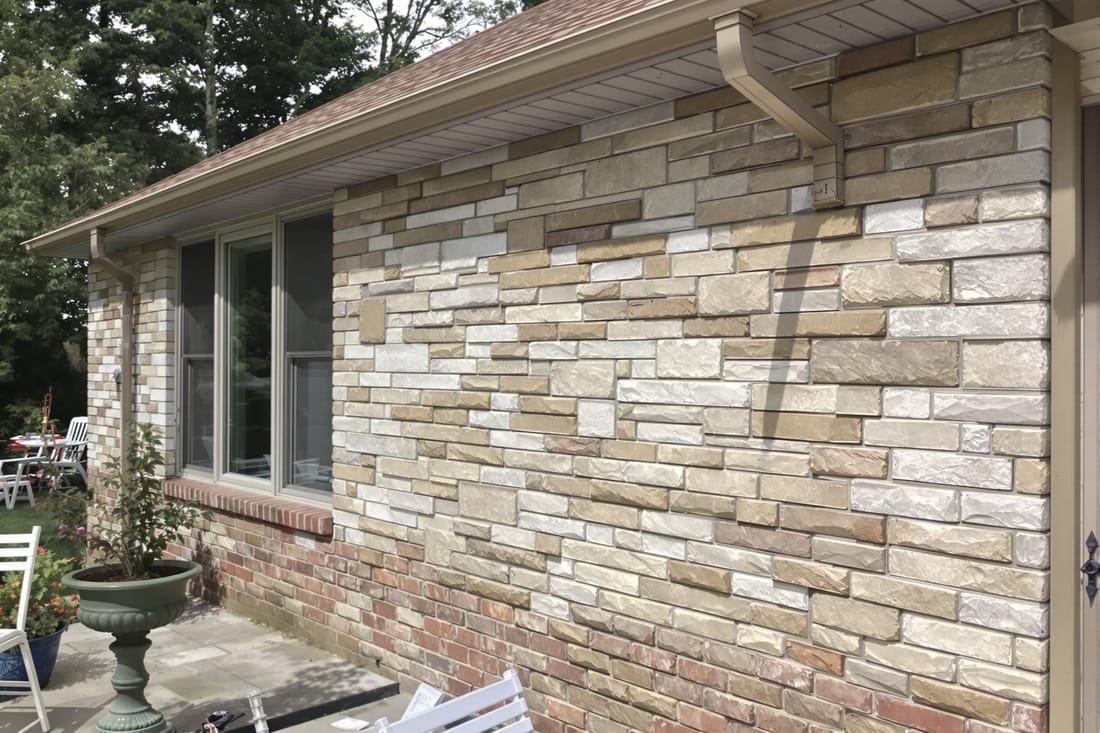
Home › Masonry Repair and Restoration
We specialize in masonry repair in Lincoln, NE, fixing cracks, settling, and weather damage in brick, stone, and block. Our restoration methods blend new materials with old so repairs are strong and visually seamless.
Superior Masonry Lincoln provides professional masonry repair throughout Lincoln, NE, Nebraska and the surrounding area. Our licensed, insured crew delivers safe, clean, on-time work with a free estimate before anything begins. Call (402) 413-7465 or request your free quote.
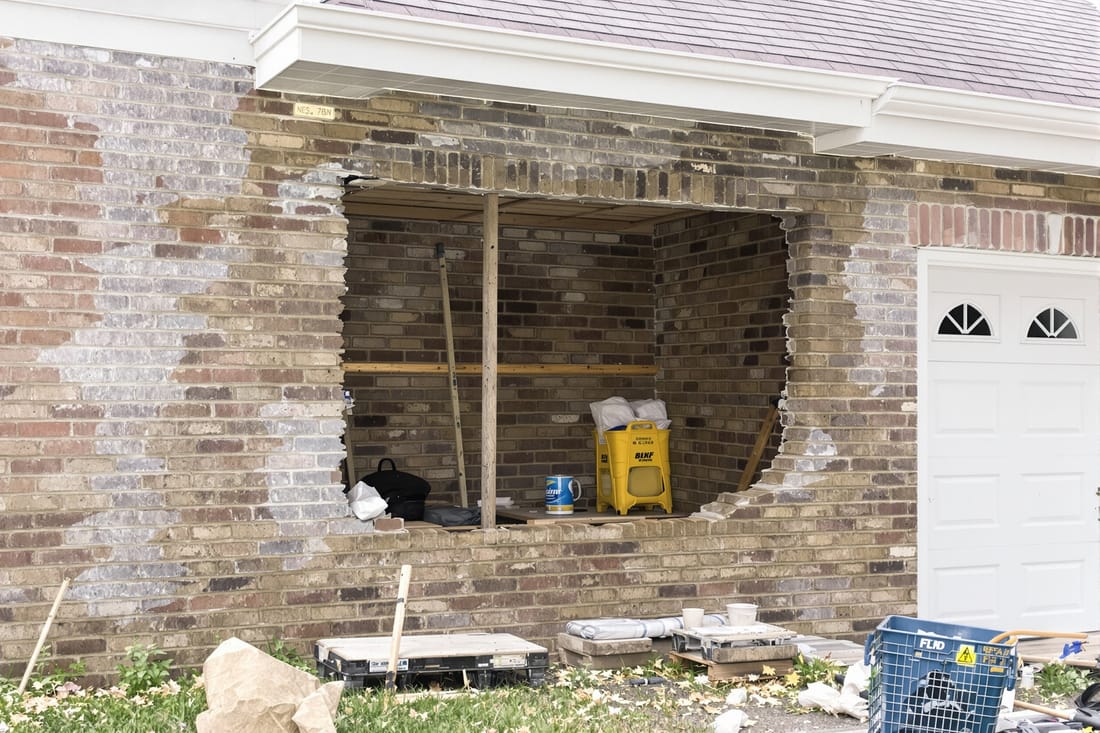
Masonry Repair and Restoration in Lincoln, NE
Masonry that looks solid from the street can be hiding serious problems in the joints, backing, or foundation. At Superior Masonry Lincoln, our masonry repair and restoration work focuses on finding the source of the issue first, then fixing it in a way that respects the original structure. Whether you own a historic brick home near the Haymarket or a mid‑century commercial building on O Street, we tailor each repair to the age, materials, and condition of your masonry.
Our team works every week on brick, block, and stone in Lincoln’s climate, which means we know what repeated freeze‑thaw cycles, road salt, and wind can do to your mortar and masonry. We do not approach repairs as a quick patch. Instead, we evaluate how water moves across the walls, how the foundation is performing, and how previous repairs have aged. That is how we deliver repairs that last more than a couple of winters.
Masonry repair typically costs less than full replacement if issues are caught early. Cracks, spalling brick faces, and powdery mortar are warning signs. When you call Superior Masonry Lincoln, we walk you through what actually needs immediate attention and what can be monitored. Our goal is to help Lincoln property owners prioritize repairs based on real risk, not pressure sales tactics.
How We Diagnose Masonry Problems in Lincoln Homes and Businesses
Lasting masonry repair begins with a thorough assessment. We start with a visual inspection, but we do not stop there. For exterior walls, we check for stair‑step cracks in the mortar joints, bowing or bulging areas, loose or hollow‑sounding bricks, and efflorescence (white, chalky mineral deposits) that can point to hidden moisture. On chimneys, we look closely at the crown, flashing, and top courses, which are often the first places to show damage in Nebraska weather.
In older Lincoln neighborhoods like Near South and University Place, we often see multiple generations of mortar and brick from previous repairs. We test existing mortar hardness with simple hand tools to determine if it is compatible with the original materials. Using mortar that is too hard for older, softer brick is a common mistake that leads to more cracking and brick damage. We take samples or use color and texture matching on site so our repairs blend visually and perform correctly.
We also pay close attention to water patterns. Lincoln’s mix of clay soils and strong storms can move water toward foundations and masonry walls. We check downspouts, slopes, and any points where gutters overflow or snow piles against the wall. Addressing these site conditions can be as important as the repair itself. If needed, we coordinate with you or your landscaper to improve drainage so you are not paying to fix the same issue again in a few years.
Brick, Block, and Stone Repair Methods We Use
Different masonry materials and damage types call for different repair methods. For cracked mortar joints, we often perform tuckpointing. This involves carefully grinding or chiseling out the deteriorated mortar to a proper depth, usually 2 to 2.5 times the width of the joint, and then packing in new mortar that matches the existing wall. We use dust control methods and protect adjacent surfaces, which is especially important on occupied homes and storefronts.
For brick spalling, where the faces are flaking or popping off, we determine whether it is caused by age, trapped moisture, poor previous repairs, or the use of de‑icing salts. When the damage is isolated, we cut out individual bricks and install new or reclaimed units that match color and dimensions as closely as possible. For larger areas, we may recommend a blend of brick replacement and joint repair to stabilize the wall without unnecessary demolition.
Concrete block and stone repair is handled differently. With block walls, such as garages and commercial buildings around Lincoln, we look for structural cracks that may indicate foundation movement. Where feasible, we stitch cracks and restore joints, then address the cause, whether that is a downspout discharging at the base of the wall or soil pushing laterally. For natural stone, we focus on careful cleaning, joint restoration, and discreet pinning or anchoring of loose stones so the repair is strong but visually understated.
Historic Masonry Restoration and Mortar Matching
Lincoln has a significant number of early 1900s brick homes and older commercial facades, and these require a more careful restoration approach. Superior Masonry Lincoln specializes in matching historic mortar color, texture, and profile. We do not simply use a standard gray bag mix. Instead, we adjust sand color and gradation, lime content, and pigment (when appropriate) to create a mortar that is visually compatible and flexible enough for older brick.
In many historic projects, previous repairs used very hard cement mortars that trap moisture and push stress into the brick itself. Part of our restoration work can include selectively removing these incompatible joints and re‑pointing them with a more suitable mix. This helps reduce future brick spalling and maintains the ability of the wall to “breathe,” which is essential in Nebraska’s humidity swings.
We also take care with joint tooling and finish. The depth and shape of the joint line affect not only appearance but also water shedding. On historic restorations we often replicate original concave, grapevine, or weathered joints by hand so the repair does not stand out when viewed from the sidewalk. For decorative brick details, such as corbels and arches around downtown Lincoln, we use smaller tools and additional passes to keep crisp lines without over‑grinding the surrounding masonry.
Cost Factors for Masonry Repair in Lincoln, NE
Masonry repair pricing depends on more than just square footage. Access is one of the biggest cost drivers. A single‑story wall on a flat driveway is less expensive to work on than a tall chimney or a facade over a sloped yard that requires scaffolding or lifts. In Lincoln, many older homes also have tight side yards or alley access, and we factor the additional time and equipment needs into our estimates so there are no surprises.
The extent and complexity of the damage also affect cost. Simple tuckpointing on sound brick is straightforward. Once bricks are loose, walls are bulging, or there is evidence of structural movement, repairs become more involved. In those cases we may need to temporarily support sections, remove and relay courses, or coordinate with an engineer. Material matching adds another layer. If your project calls for custom brick sourcing or specially blended mortar, that is clearly itemized in our proposal.
Season and weather conditions can also influence both scheduling and cost. In Nebraska winters, mortar work must be done within specific temperature ranges to cure properly. If your project is urgent during colder months, we may need to use temporary enclosures and heat, which increases labor and material expenses. Superior Masonry Lincoln will explain whether your repair can safely wait for milder weather, or whether delay would risk more serious damage.
What Lincoln Property Owners Should Know Before Hiring for Masonry Repair
Before you hire any masonry contractor, it is important to ask how they will diagnose your specific problem and what repair options they considered before recommending a solution. A contractor who only suggests full wall replacement, without explaining possible targeted repairs, may not be focused on cost‑effective solutions. At Superior Masonry Lincoln, we document findings with photos and explain, in plain language, why we recommend certain repair methods for your Lincoln property.
You should also ask about mortar and material compatibility, especially if your home is pre‑World War II or has a distinctive brick finish. A knowledgeable contractor will be able to discuss lime content, compressive strength, and how they will match existing joints. If they cannot answer those questions, there is a risk they will install mortar that is too hard, which can damage your masonry over time.
Finally, check how the contractor handles cleanup and protection. Masonry repair can be dusty and involves cutting or grinding. We use drop cloths, plastic sheeting, and dust control methods to protect landscaping, siding, and interior areas near the work zone. When the job is complete, we rinse affected areas and remove debris, so all you see is repaired masonry, not a mess left behind.
Our Process and Next Steps
Working with Superior Masonry Lincoln for masonry repair and restoration follows a clear, predictable process. First, we schedule an on‑site visit at your Lincoln property to inspect the affected areas in person. We listen to your concerns, ask how long the problem has been present, and look for any changes such as sticking doors or new cracks that might indicate movement. We then document the conditions and, when beneficial, take close‑up photos to review with you.
Next, we prepare a written proposal that lists the specific repair tasks. For example, “remove and replace approximately 40 cracked bricks on south wall” or “tuckpoint all mortar joints on west elevation from grade to window sill height” rather than vague descriptions. We outline materials, anticipated schedule, and any site preparation we will need from you, such as moving vehicles or trimming shrubs near the work area.
Once approved, we schedule the work, taking into account Lincoln’s weather forecast so you get the best curing conditions possible. During the project, we keep you updated on progress and point out any unexpected conditions that might require adjustment, such as hidden voids behind loose brick or previously concealed water damage. When the work is done, we perform a final walk‑through with you, reviewing the repaired areas and discussing any maintenance recommendations, such as sealing horizontal surfaces or improving drainage, so your repaired masonry stays sound for years to come.