Home › Commercial Chimney and Smokestack Repair
We handle commercial chimney masonry repair in Lincoln, NE, from boiler chimneys to tall smokestacks. Our technicians repair brick, flue liners, and concrete caps so your venting systems remain safe and functional.
Superior Masonry Lincoln provides professional commercial chimney masonry repair throughout Lincoln, NE, Nebraska and the surrounding area. Our licensed, insured crew delivers safe, clean, on-time work with a free estimate before anything begins. Call (402) 413-7465 or request your free quote.
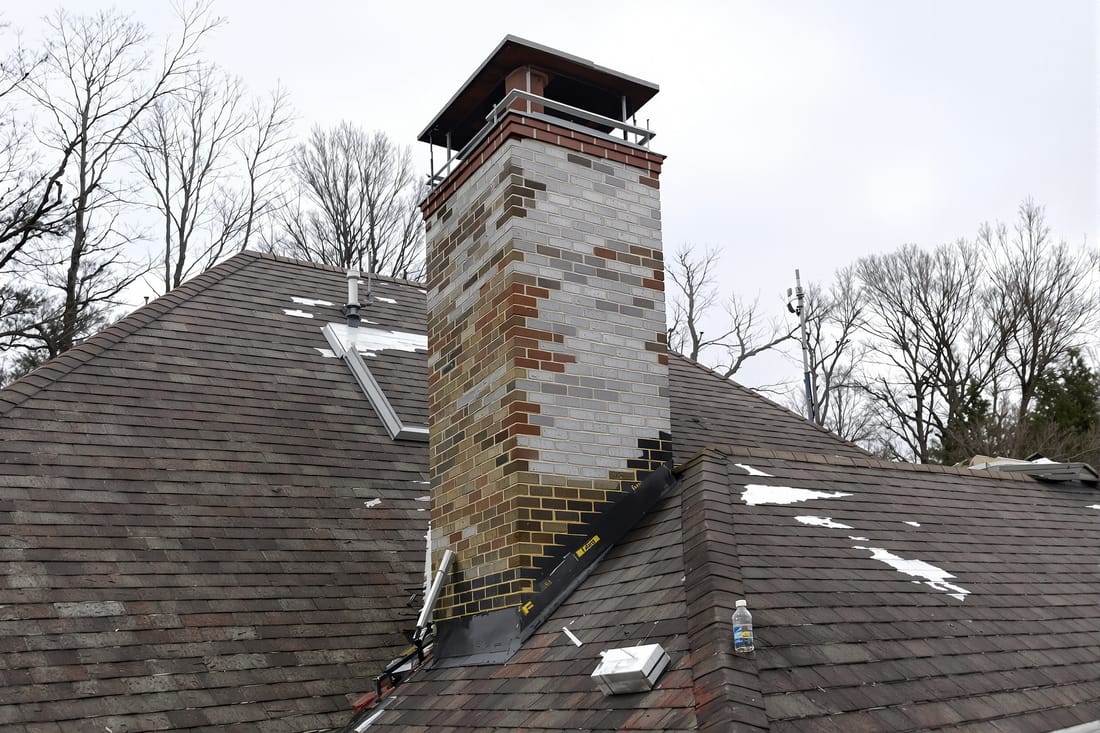
Commercial Chimney & Smokestack Repair for Lincoln Facilities
Superior Masonry Lincoln provides commercial chimney masonry repair and smokestack restoration for industrial, institutional, and multi‑unit properties across Lincoln and the surrounding Nebraska communities. We focus on tall, hard‑to‑access structures that serve boilers, commercial kitchens, manufacturing processes, and large heating systems.
Our crews are trained to work at height, coordinate with plant operations, and keep your systems venting safely while minimizing downtime. Whether you manage a hospital boiler plant near downtown, a grain facility near the rail lines, or a campus of apartment buildings, we tailor our repair scope to the actual loading, fuel type, and code requirements of your chimney or stack.
We handle brick, block, stone, and refractory linings, as well as structural concrete chimneys and freestanding masonry stacks. Instead of applying surface patching that will not last through Nebraska freeze‑thaw cycles, we address underlying issues in the masonry, foundations, and liners so your stack stays sound over the long term.
Common Commercial Chimney Problems We See in Lincoln
Commercial chimneys in Lincoln face a combination of intense winter operation, wind exposure on the plains, and frequent freeze‑thaw swings in spring and fall. This accelerates several specific problems that we inspect for and repair.
At the exterior, we often find spalled or delaminating brick faces, open mortar joints, and deteriorated crown or cap concrete. Moisture enters through these openings, then freezes and expands, which leads to more cracking and loose masonry. On taller smokestacks, wind creates vibration at the top courses that can break down mortar faster than on the lower sections.
Inside the chimney, flue liners can crack or shift at the joints from thermal cycling. Older commercial stacks may have unlined sections or failed clay flue tiles that allow hot gases to attack the surrounding masonry. This is especially common in boiler chimneys that were converted from coal or oil to gas without upgrading the liner.
We also see problems where the chimney passes through the roof or penthouse. Improper flashing, missing counter‑flashing, or poorly sealed penetrations let water flow directly into the structure. Over time, this causes rust on nearby steel, rot in roof framing, and staining on interior walls.
Finally, we check the base and guy anchor points on tall stacks. Settlement cracks in the foundation, loose anchor hardware, or corroded steel components can turn a small repair into a safety issue if it is not caught early.
Our Commercial Chimney Masonry Repair Process
Superior Masonry Lincoln follows a defined process so building owners, facility managers, and contractors know exactly what is happening with their chimney or smokestack.
We begin with a site assessment that includes exterior inspection by binocular, drone, or swing stage access, plus interior review of the flue where feasible. For high‑temperature or continuously operating stacks, we coordinate with your operations staff to schedule safe access windows so we do not interfere with production or heating demands.
We document all visible defects, take photographs, and measure crack widths, out‑of‑plumb conditions, and brick displacement. When the situation requires it, we recommend non‑destructive testing or camera inspection inside the flue. Based on this data, we propose a repair scope ranked by urgency: immediate safety items, short‑term stability work, and long‑term improvements.
During repairs, we typically remove loose or unstable masonry, cut out deteriorated mortar joints to an appropriate depth, and rebuild the affected sections with brick or block that matches both structural requirements and appearance. For high‑heat or corrosive environments, we may install or repair refractory brick or castables, then tie them into the existing liner system.
At completion, we perform a final walk‑through with your representative, review before‑and‑after photos, and identify any maintenance steps you can handle in‑house, such as seasonal visual checks, to keep the chimney performing as designed.
Materials, Techniques, and Code Considerations
Commercial chimney masonry repair is not just about replacing damaged bricks. It requires understanding how materials, temperature, and code requirements interact over time.
For exterior masonry, we select brick and mortar that match the original in compressive strength, absorption, and appearance. Using mortar that is too hard on older brick can cause the brick faces to fail first, which is exactly what we want to avoid in Nebraska’s climate. We often use Type N or modified Type S mortars for above‑roof work, depending on the original construction and exposure.
For liners, options include new clay flue tiles, cast‑in‑place liners, or stainless steel liners where chemical resistance is critical. Each option has advantages. Clay and cast‑in‑place liners provide strong thermal mass and good compatibility with masonry. Stainless steel systems can be ideal for condensing appliances or where the fuel composition has changed from the original design.
We also verify that repaired chimneys meet current clearances to combustibles, termination height above the roof, and separation from nearby structures, in line with NFPA standards and local Lincoln code enforcement. If your facility has undergone mechanical or boiler upgrades without a corresponding chimney review, we can check that the venting system still meets the new equipment’s requirements.
When we rebuild crowns or caps, we form and pour air‑entrained concrete with proper slope away from the flue, add drip edges to shed water, and separate the crown from flue liners with appropriate gaps and sealants so thermal movement does not crack the top of the chimney.
Access, Safety, and Scheduling for Tall Stacks
Working on commercial smokestacks in Lincoln requires careful planning for access and safety, especially on occupied campuses or active industrial sites.
Depending on stack height and surrounding conditions, Superior Masonry Lincoln may use tubelike scaffolding, swing stages, aerial lifts, or a combination. For very tall or slender stacks, scaffolding design must consider wind loads and tie‑in locations so the access system does not overload or damage the chimney while we work.
Our crews follow OSHA fall protection standards and coordinate with your safety department for site‑specific requirements, such as confined space rules near boiler rooms or plant PPE standards. We can schedule noisy or disruptive work, like brick cutting or demolition at the top of the stack, during off‑shift hours when it is easier on your staff and neighbors.
In Lincoln, the most efficient seasons for extensive exterior masonry work are typically late spring through early fall, when freeze risk and high winds are lower. However, we can handle emergency stabilization in winter using cold‑weather mortar practices, temporary enclosures, and heat as needed to protect new masonry from freezing. Planning larger rebuilds for temperate months generally results in better curing conditions and shorter project durations.
Cost Drivers and How to Control Your Budget
Commercial chimney masonry repair costs in the Lincoln area are driven mainly by access complexity, stack height, extent of deterioration, and liner requirements.
Access is often the largest variable. A short boiler chimney reached from an existing rooftop is far less expensive to repair than a 120‑foot masonry smokestack that requires full scaffolding. If we can use swing stages or lifts instead of wrapping the entire stack in scaffold, we will discuss those options with you to save time and cost while maintaining safety.
The degree of masonry failure also affects budget. Repointing open joints and replacing a limited number of spalled bricks is relatively straightforward. Wide cracks, out‑of‑plumb conditions, or significant bulging can require partial dismantling and rebuilding to restore structural alignment. In some older Nebraska facilities, this is an opportunity to upgrade the liner and exterior at the same time rather than paying for separate projects a few years apart.
Liner selection and code upgrades can be another major factor. A simple clay tile replacement is generally less expensive than installing an engineered stainless or cast‑in‑place system designed for high‑efficiency equipment or corrosive exhaust. We present clear options so you can compare initial cost with expected service life and maintenance requirements.
To help control your budget, Superior Masonry Lincoln can phase work over multiple fiscal years, tackling critical safety repairs first and planning longer‑term improvements later. We also provide detailed written scopes that make it easier to compare our proposal with others on equal terms.
What Lincoln Owners Should Ask Before Hiring a Chimney Mason
Before you hire anyone for commercial chimney masonry repair or smokestack work in Lincoln, it is worth asking a few pointed questions.
Ask how they will access and protect the area around the stack. A qualified contractor should describe their scaffold or lift plan, debris containment, and how they will protect your roof, parking lots, or adjoining structures from falling material.
Request examples of similar commercial or industrial chimneys they have repaired, especially projects of comparable height or fuel type. Experience with residential fireplaces alone is not enough for large boiler chimneys or plant stacks.
Confirm that they understand local code requirements, NFPA standards, and how your mechanical systems tie into the chimney. A good partner will coordinate with your mechanical contractor or engineer when needed instead of working in isolation.
Finally, insist on a detailed written report with photos that shows existing conditions, recommended repairs, and any alternate approaches. Superior Masonry Lincoln provides this level of documentation so your maintenance staff, facility management, and ownership can all understand why the work is needed and how it protects your building and operations.